Comprehending the Production Process and Upkeep Practices for Aluminum Shop Products
The production procedure for aluminum foundry products is detailed and requires an extensive understanding of multiple phases. From the melting of light weight aluminum at heats to various casting methods, each step plays an essential function. In addition, maintenance practices ensure devices continues to be reliable and items are without flaws. The intricacies of these processes and their impact on product high quality raising essential inquiries about finest practices and innovative methods in the sector.
Review of Light Weight Aluminum Factory Products
Light weight aluminum foundry products are crucial elements in various sectors, using a mix of light-weight toughness and corrosion resistance. These items are frequently utilized in sectors such as auto, aerospace, and building and construction, where durability and effectiveness are paramount. Light weight aluminum's low thickness makes it a suitable material for applications requiring decreased weight without compromising structural integrity. The flexibility of aluminum enables for the development of complex geometries, accommodating diverse design needs.
In addition, aluminum foundry products can be customized with different alloys to enhance certain buildings, such as enhanced thermal conductivity or enhanced hardness. Their resistance to oxidation and corrosion warranties durability, making them appropriate for both indoor and outdoor applications. The combination of these features adds to the growing preference for light weight aluminum in contemporary production. As markets seek to optimize performance and sustainability, light weight aluminum factory items remain to play a critical function in meeting these needs.
Thawing Refine: Changing Light Weight Aluminum
The melting procedure is an essential action in the manufacturing of light weight aluminum foundry products, as it changes strong light weight aluminum into a liquified state ideal for spreading. This procedure normally takes place in a furnace, where scrap light weight aluminum or ingots are warmed to temperatures around 660 degrees Celsius. The option of heating system-- be it electric, gas, or induction-- impacts the effectiveness and cost of melting.
Throughout melting, mindful factor to consider is offered to the removal of contaminations, such as oxides and other pollutants, which can negatively impact the top quality of the last product. Changes might be included to help in this filtration procedure, boosting the fluidity of the liquified steel.
Furthermore, temperature level control is vital to ensure uniformity and prevent getting too hot, which can bring about oxidation. The melting process not only prepares aluminum for casting but also plays a substantial role in establishing the integrity and residential or commercial properties of the final factory products.
Casting Strategies in Light Weight Aluminum Factory
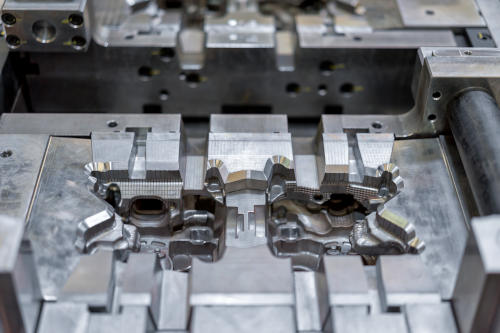
Different spreading methods are utilized in light weight aluminum foundries to develop top notch elements, each fit to various applications and specifications. Among the most generally made use of approaches are sand casting, die spreading, and investment spreading. Sand spreading makes use of a combination of sand and binder to form mold and mildews, permitting intricate shapes and large parts (aluminum casting company). Pass away casting, identified by the high-pressure shot of liquified light weight aluminum right into steel molds, creates precise and repeatable elements, perfect for automation. Financial investment spreading, or lost-wax spreading, involves producing a wax version that is coated in a ceramic shell, enabling intricate styles and great details. Each technique has its benefits; sand spreading is cost-efficient for low-volume manufacturing, while die casting supplies performance for high-volume runs. Financial investment casting is favored for parts requiring phenomenal precision and surface area coating. Picking the proper technique depends on aspects such as production quantity, component intricacy, and material properties
Completing Processes for Light Weight Aluminum Elements
After casting strategies have actually formed the light weight aluminum elements, completing processes play a significant duty in improving their capability and aesthetic appeal. These procedures usually include machining, surface area therapy, and finishing applications. Machining entails precise elimination of product to accomplish wanted measurements and surface area high quality. This visit this site right here is vital for guaranteeing that parts fit seamlessly right into their intended applications.
Surface treatments, such as anodizing and polishing, are used to enhance corrosion resistance and improve visual characteristics. Casting Foundry. Anodizing, particularly, provides a protective oxide layer, making the light weight aluminum extra long lasting and visually enticing
Upkeep Practices for Long Life
Implementing routine maintenance techniques is essential for ensuring the durability of aluminum shop items. Routine examinations ought to be performed to determine wear and tear, as early detection can prevent pricey repair work and expand the life-span of components. Cleaning up tools and machinery consistently reduces the danger of contamination, which can negatively impact product quality. Lubrication of moving parts is also important, as it reduces friction and wear, improving operational effectiveness.
Additionally, the execution of a preventative upkeep timetable assists in methodically addressing potential problems prior to they intensify (aluminum casting company). This consists of monitoring for leakages, guaranteeing proper alignment, and calibrating machinery. Personnel training on proper handling and upkeep strategies fosters a society of treatment, which is essential for sustaining item stability. Documenting upkeep tasks offers important understandings into performance fads, allowing for notified decision-making regarding future upkeep methods.
Quality Control and Screening in Aluminum Factory Manufacturing
Quality assurance and screening are extremely important in light weight aluminum foundry manufacturing, as they assure that end products satisfy defined requirements and client expectations. This process starts with raw product evaluation, guaranteeing that aluminum alloys abide with called for structures. Throughout the production cycle, in-process assessments are performed to keep an eye on specifications like pressure, product, he has a good point and temperature flow.
Numerous examinations-- such as dimensional checks, visual examinations, and non-destructive testing-- are performed to determine any defects when casting is full. Mechanical homes, including tensile stamina and hardness, are reviewed with standard testing methods.
In addition, adherence to sector requirements, such as ISO and ASTM, is important for making certain product high quality. Statistical procedure control methods are commonly employed to examine manufacturing data and help with continuous renovation. By carrying out rigorous quality control actions, aluminum foundries can enhance product reliability and minimize waste, inevitably leading to greater client complete satisfaction and functional effectiveness.
Often Asked Concerns
What Are the Environmental Impacts of Aluminum Foundry Operations?
Aluminum factory procedures can lead to substantial ecological effects, including air contamination from exhausts, water contamination from waste discharge, and power consumption contributing to greenhouse gas exhausts, ultimately affecting regional environments and neighborhood wellness.
Exactly How Do Aluminum Prices Impact Factory Production Decisions?
Aluminum rates significantly influence foundry production decisions; higher prices may bring about reduced output or boosted effectiveness procedures, while reduced costs can motivate enhanced production and investment in new innovations to enhance competitiveness and success.
What Precaution Are Important in Aluminum Foundries?
Necessary safety and security steps in light weight aluminum shops include safety equipment, correct air flow to reduce inhalation of fumes, regular equipment maintenance, training on emergency situation treatments, and adherence to safety protocols to protect against mishaps and injuries amongst workers.
Can Light Weight Aluminum Be Recycled, and Just How Is It Refined?
Light weight aluminum can without a doubt be reused. The process entails collection, melting, and changing the material into new items, significantly lowering energy usage and ecological influence compared to key light weight aluminum manufacturing while maintaining material top quality.
What Are Common Defects in Light Weight Aluminum Casting and Their Causes?

The production process for light weight aluminum shop products is elaborate and calls for an extensive understanding of numerous phases. Light weight aluminum shop items are critical parts in numerous sectors, offering a mix of light-weight stamina and deterioration resistance. The melting process is a fundamental action in the production of aluminum foundry items, as it changes strong light weight aluminum right into a liquified state ideal for spreading. Executing normal upkeep techniques is crucial for making sure the long life of light weight aluminum factory items. Quality control and testing are paramount in light weight aluminum shop production, as they guarantee that final items satisfy specified requirements and consumer expectations.
Comments on “Why a Casting Foundry is vital to the success of engineering projects”